
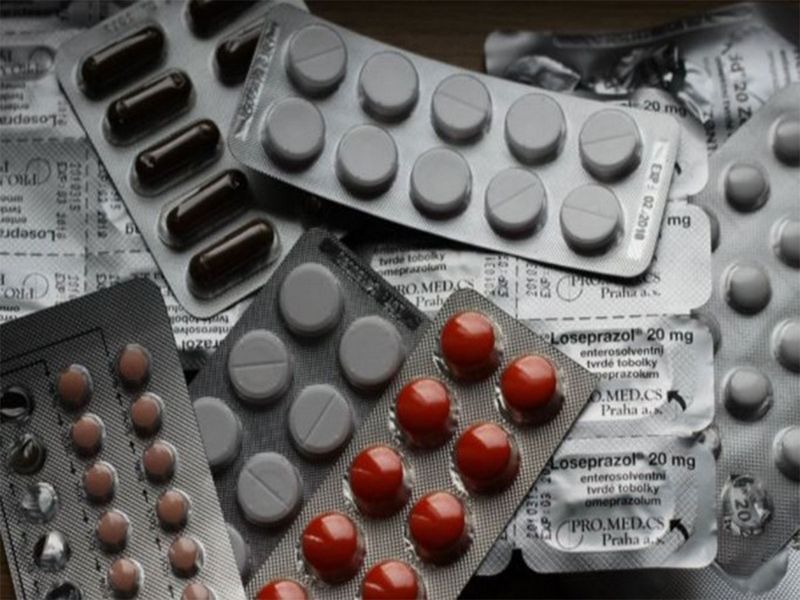
The ongoing conflict in West Asia has begun to take a toll on Punjab’s pharmaceutical sector, with manufacturing costs rising by nearly 30 per cent due to a sharp increase in petroleum-based raw materials used in drug packaging. Industry stakeholders say the situation has disrupted production cycles and made operations increasingly difficult.
Pharmaceutical exporters have also reported a complete halt in shipments to regions across West Asia and North Africa, further compounding the crisis for manufacturers dependent on overseas markets.
The disruption has impacted around 130 units producing allopathic medicines in Punjab, including nearly 35 units in Amritsar. Several manufacturers have been forced to scale down operations as supply chains remain affected.
Ajay, a pharma unit owner, said containers meant for export to countries such as Saudi Arabia, Sudan and Libya are currently stranded at ports in Maharashtra and Gujarat. He added that the uncertainty has severely affected business continuity and criticised the government for not adequately assessing the ground situation.
Another manufacturer, Amit Kapur, said input costs have surged significantly since the conflict began. He pointed out that petroleum-linked packaging materials such as gelatin capsules, blister foil, glass vials, aluminium foil and plastic bottles have become costlier.
In addition, the prices of key chemicals including glycerine, propylene glycol, isopropyl alcohol and methylene chloride have also increased sharply, further burdening manufacturers.
Industry players said that suppliers are now demanding advance payments instead of the earlier three-month credit cycle, tightening liquidity for small and medium units.
Punjab Drug Association president Jagdeep Singh said the rise in input costs has made manufacturing unviable, as drug prices cannot be increased beyond limits fixed under the drug price control mechanism. He also flagged concerns that some bulk drug suppliers are holding back materials.
He warned that if the situation persists, it could lead to shortages of essential and life-saving medicines in the near future.