
Haryana is set to launch its first technology driven bird census at Sultanpur National Park in Gurugram, using artificial intelligence enabled cameras and drone surveys to monitor bird movement, migration patterns and habitat changes throughout the year.
The Forest Department is installing AI powered cameras at two strategically located watchtowers overlooking the park’s wetlands and surrounding landscape. The system is expected to become operational before the arrival of the peak migratory season later this year.
The initiative marks a shift from conventional bird censuses, which largely depend on manual observations carried out over a few hours or a single day. The new digital system will collect continuous data over several weeks, providing a more detailed assessment of bird populations, migration trends and habitat use.
Gurugram Divisional Forest Officer (Wildlife) RK Jangra said the watchtowers had been positioned to provide extensive coverage of both water bodies and adjoining land areas.
“The drone surveillance will help enable a more accurate census,” Jangra said.
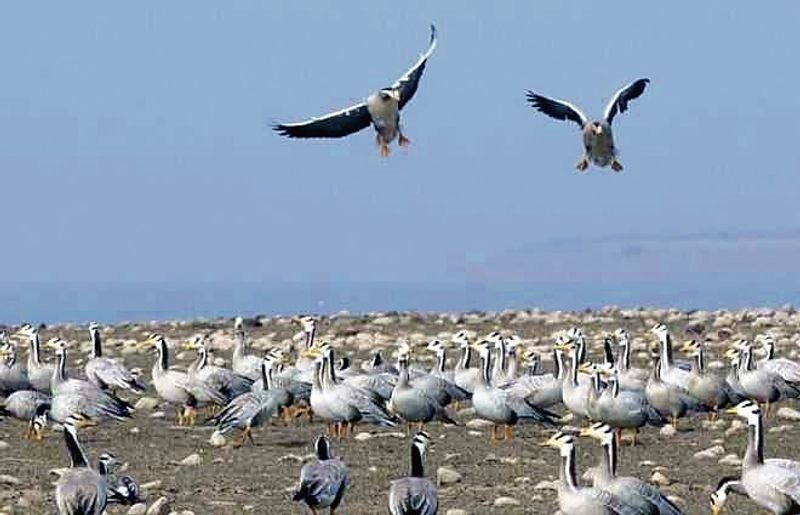
The AI platform will be capable of identifying rare and threatened species, including bar headed geese, northern pintails and spoonbills. It will also help detect early signs of habitat stress by tracking changes in water spread, vegetation cover and bird usage patterns. Drone surveys will supplement the exercise by documenting bird activity in areas that are difficult to access through conventional ground counts.
Forest officials said the data generated through the project would help build a long term database to study how climate change, shrinking wetlands and other environmental pressures are influencing migration schedules and bird distribution patterns.
Sultanpur National Park attracts more than 250 bird species annually, including over 100 migratory species such as northern pintails, bar headed geese, shovelers, spoonbills, storks and several species of raptors.
Bird numbers at the park have witnessed fluctuations in recent years. According to the 2025 Asian Waterbird Census, 2,593 migratory birds belonging to 48 species were recorded at the park, compared with 2,686 birds from 43 species in 2024. In 2023, the census documented 6,036 birds across 61 species.
Beginning in October, the AI based monitoring system will track annual changes in bird populations and species composition, enabling authorities to take informed decisions on water management, vegetation control and visitor movement within the park.
The initiative comes at a time when experts have raised concerns over changing migration patterns linked to delayed monsoons, warmer winters, shrinking wetlands and increasing human disturbance across north India.
Welcoming the move, bird expert Pankaj Gupta, who led this year’s Big Bird Day count at Sultanpur, said the monitoring network should eventually be expanded beyond the national park.
“The data is a good initiative, but it needs to be expanded to Chandu as well to understand migration patterns more precisely. Technology can help authorities respond before it is too late. It will also be helpful to birders if the department shares live streaming access so migration patterns and other issues can be analysed more effectively,” Gupta said.