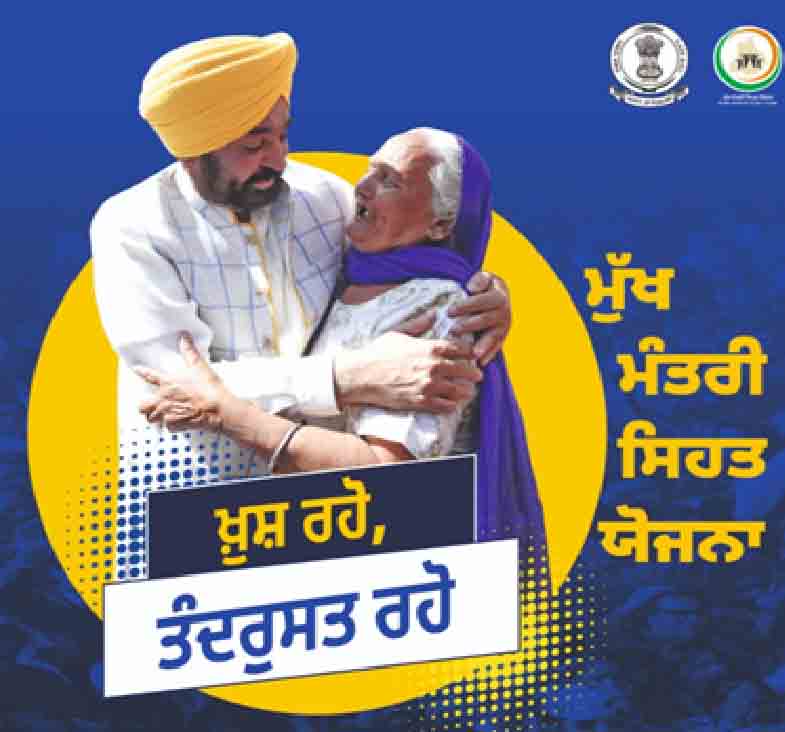
A stroke does not knock before entering a family’s life. One moment a person is walking, talking and working; the next moment, a blocked artery or a burst blood vessel can turn a normal day into a medical emergency. Data on stroke treatments under Punjab’s Mukh Mantri Sehat Yojna shows how the state’s health scheme is supporting patients facing complex brain emergencies, from basic stroke management to advanced imaging, intensive care and prolonged treatment.
A stroke, often called a “brain attack”, happens when blood supply to part of the brain is blocked or when a blood vessel bursts. Without oxygen, brain cells begin to die. High blood pressure, diabetes, high cholesterol, smoking, obesity and unhealthy lifestyle habits remain among the major risk factors.
According to the World Health Organization, stroke continues to be one of the world’s leading causes of death and disability, with a significant share linked to preventable risk factors. The US Centers for Disease Control and Prevention also stresses that early treatment can improve recovery while better control of blood pressure, diabetes and lifestyle-related risks can reduce the likelihood of stroke.
Stroke treatment can be costly, creating a major financial burden for many families. As per recent data from the State Health Agency (SHA), Punjab, in the last six months, 914 stroke cases worth ₹4.15 crore were treated under Mukh Mantri Sehat Yojana. Acute ischemic stroke had the highest number of cases (48) and the highest treatment cost at ₹14.27 lakh.
SHA records show that the categories ‘Acute Stroke’ and ‘Acute Ischemic Stroke’ accounted for most treated cases, whereas Hemorrhagic stroke had fewer cases but higher per-case cost. A large part of the spend was driven by cases with CT/MRI and add-ons like tracheostomy and transfusions.
Punjab Health and Family Welfare Minister Dr. Balbir Singh said that strengthening healthcare access means ensuring that no family delays treatment because of financial fear. “Healthcare schemes like Mukh Mantri Sehat Yojna aim to ensure that patients receive timely treatment when they need it the most. In emergencies like stroke, every minute matters, and financial support can make the difference between delay and lifesaving care.”
Dr. Harman Sobti, Senior Consultant Neurosurgeon & Spine Surgeon, Sobti Neuro Super Speciality Hospital, and Mohandai Oswal Hospital, Ludhiana, explains, “Stroke is a medical emergency where early diagnosis and treatment can decide the patient’s future. Advanced imaging, intensive monitoring and timely intervention have changed outcomes.” He added that awareness remains equally important. “People must recognise warning signs like sudden weakness, facial drooping, speech difficulty and immediately seek medical help,” Dr Sobti said.
According to Dr. Harman Sobti, ischemic stroke accounts for the largest share of treated cases, and advanced diagnostic tools like CT scans and MRI have become essential for effective stroke management. He added, “Complex stroke cases can place significant financial pressure on families, making Mukh Mantri Sehat Yojna an important safety net during medical emergencies.” Nevertheless, prevention, the doctor says, remains the strongest defence, with better control of blood pressure, diabetes management and healthier lifestyle choices playing a key role in reducing stroke risk.