
In a bold new step to combat its drug crisis, Punjab is shifting focus from arrests to awareness—starting in classrooms. Beginning August 1, the state will introduce India’s first evidence-based anti-drug curriculum across government schools.
This initiative marks the third phase of the ‘Yudh Nashian De Virudh’ (War Against Drugs) campaign and will be officially launched in Arniwala, Fazilka by AAP leader Arvind Kejriwal and Punjab Chief Minister Bhagwant Mann.
Bringing the Battle to the Blackboard
Designed for students in Classes 9 to 12, the curriculum will reach nearly 8 lakh students in 3,658 schools. A team of over 6,500 trained teachers will lead the 27-week programme.
But this isn’t your typical lecture series. Each 35-minute session—held every two weeks—uses a dynamic mix of documentaries, quizzes, group activities, and posters. The goal: break down myths about drugs and equip students with real-world tools to resist peer pressure.
Science-Backed and Expert-Led
The curriculum was developed with input from J-PAL South Asia, co-founded by Nobel Laureate Abhijit Banerjee, along with leading behavioural scientists. Their mission: teach young people to make smart, informed choices before addiction can take hold.
Before the rollout, the programme was tested in 78 schools across Amritsar and Tarn Taran with 9,600 students. The results were significant:
- 90% of participating students understood that trying drugs like chitta even once could lead to addiction—up from 69% in the control group.
- The belief that “willpower alone can overcome addiction” dropped from 50% to 20%.
From Law Enforcement to Prevention
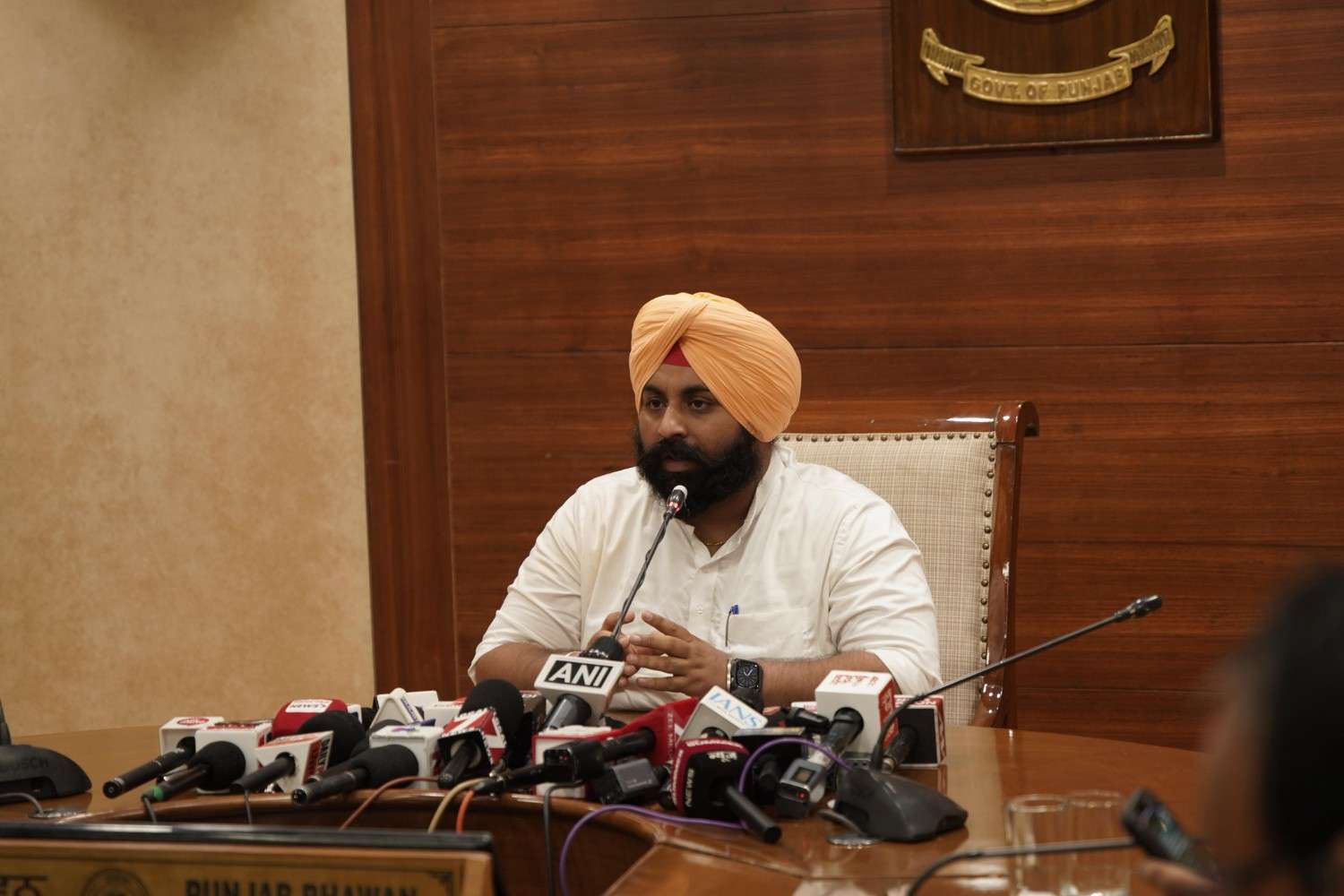
Punjab’s School Education Minister, Harjot Singh Bains, emphasized the shift in strategy: “The fight against drugs must begin in classrooms, not just in police stations.”
While the state has already arrested over 23,000 drug smugglers, seized more than 1,000 kg of heroin, and confiscated property from offenders, this move signals a proactive pivot—aiming to stop drug use before it starts.
A First for India
With this school-first approach, Punjab becomes the first Indian state to integrate a scientifically backed anti-drug curriculum into its education system—setting a precedent the rest of the country may soon follow.